Nature is full of fascinating wonders — from stunning landscapes to breathtakingly beautiful plants. But not all beauty is harmless. In fact, some of the world’s most attractive plants hide a deadly secret: they’re poisonous. Throughout history, these plants have been used in assassinations, medicines, and even folklore. Whether in your backyard or deep in the wild, it’s crucial to know about these 10 most poisonous plants in the world to stay safe and informed.
1. Oleander (Nerium oleander)
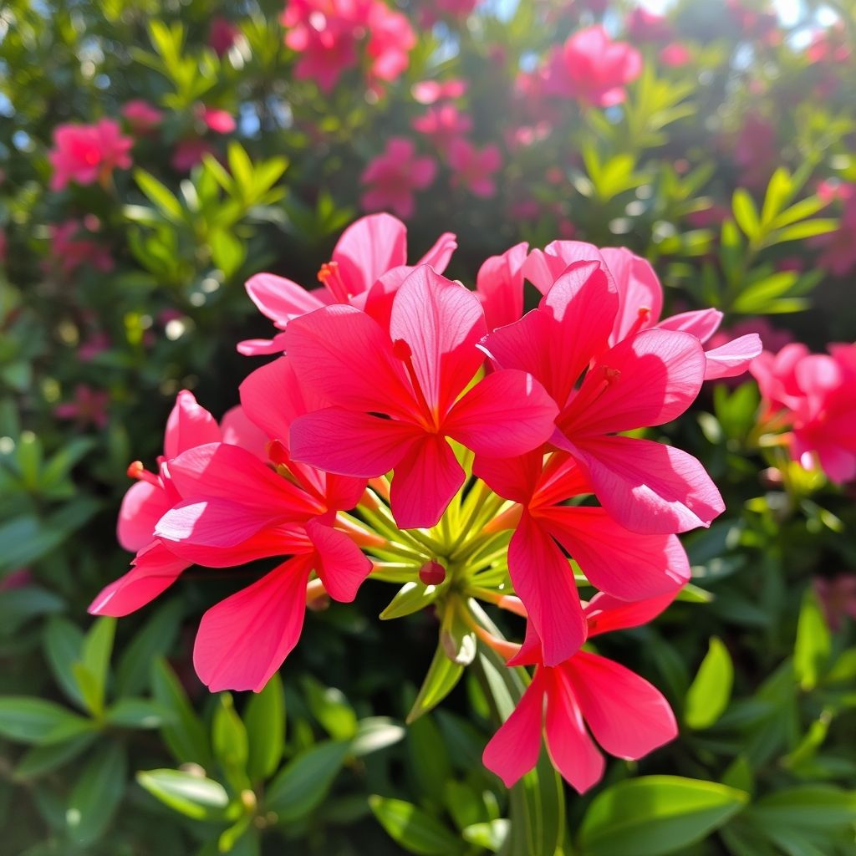
Despite its elegant flowers and use in landscaping, oleander is one of the most toxic plants on Earth. Every part of the plant — from leaves to flowers and even the nectar — contains potent toxins called cardiac glycosides.
2. Deadly Nightshade (Atropa belladonna)
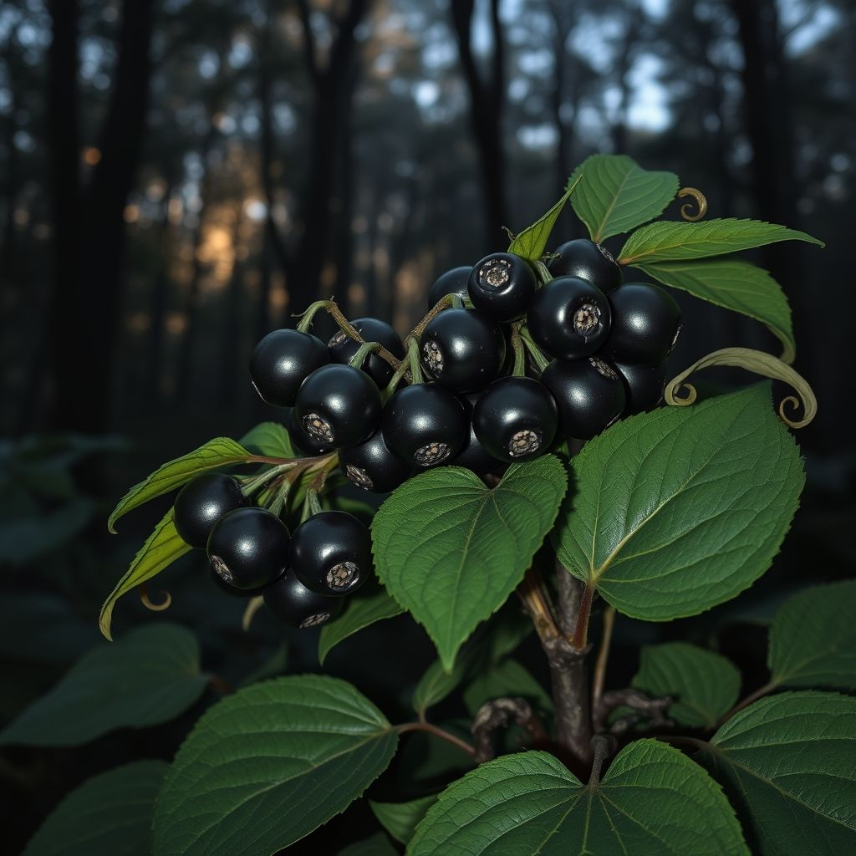
Also known as belladonna, this plant has a dark reputation. Historically used by Roman empresses and in ancient poisonings, it contains tropane alkaloids that affect the nervous system.
3. Rosary Pea (Abrus precatorius)
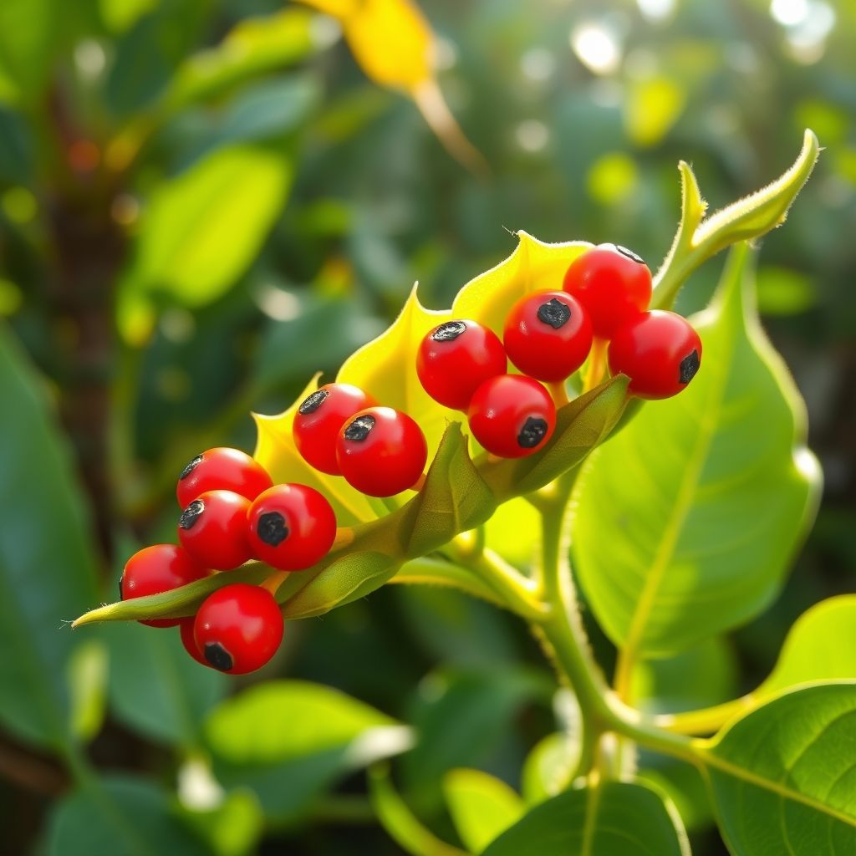
Those bright red and black seeds might look decorative, but rosary peas are deadly. They contain a toxin called abrin — even more toxic than ricin.
4. Manchineel Tree (Hippomane mancinella)
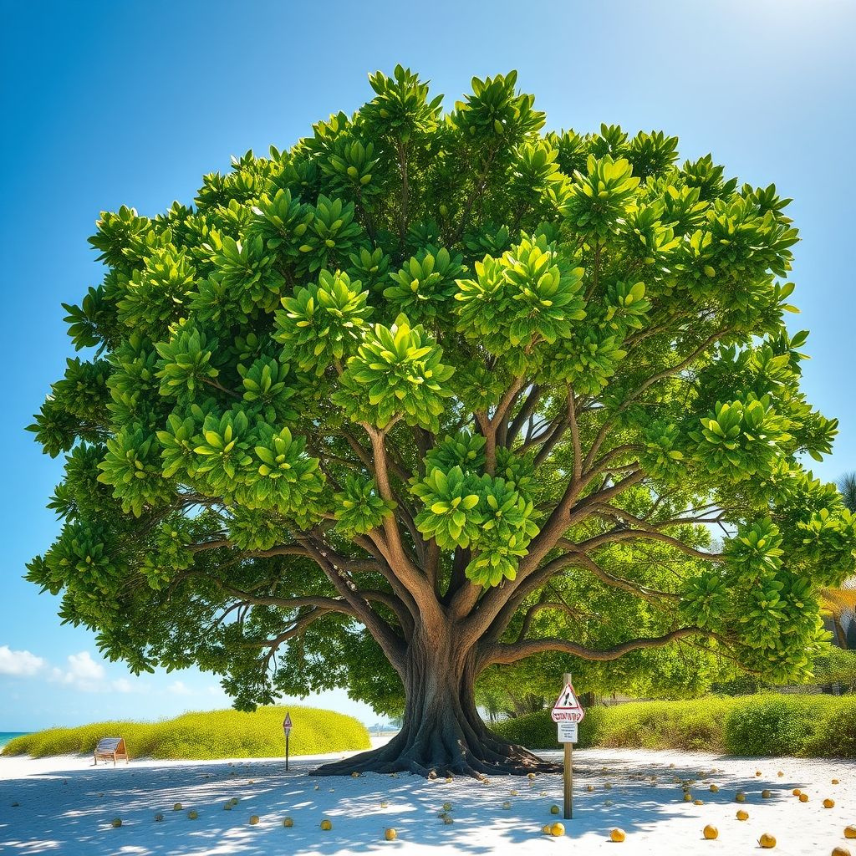
Nicknamed the “Tree of Death”, this coastal tree is so toxic that standing under it during rain can cause skin blistering. Its fruit, resembling apples, is highly poisonous.
5. Castor Bean Plant (Ricinus communis)
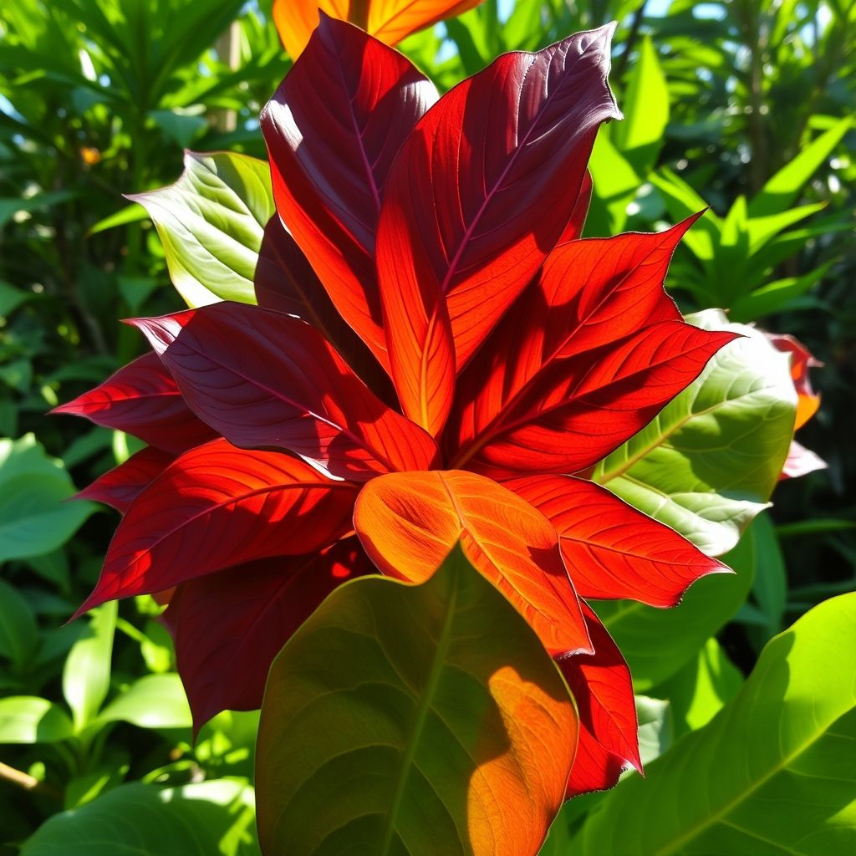
This common ornamental plant is the source of ricin, one of the most powerful toxins known. While the oil is safe when properly processed, the raw seeds are incredibly dangerous.
6. Aconite (Aconitum napellus)
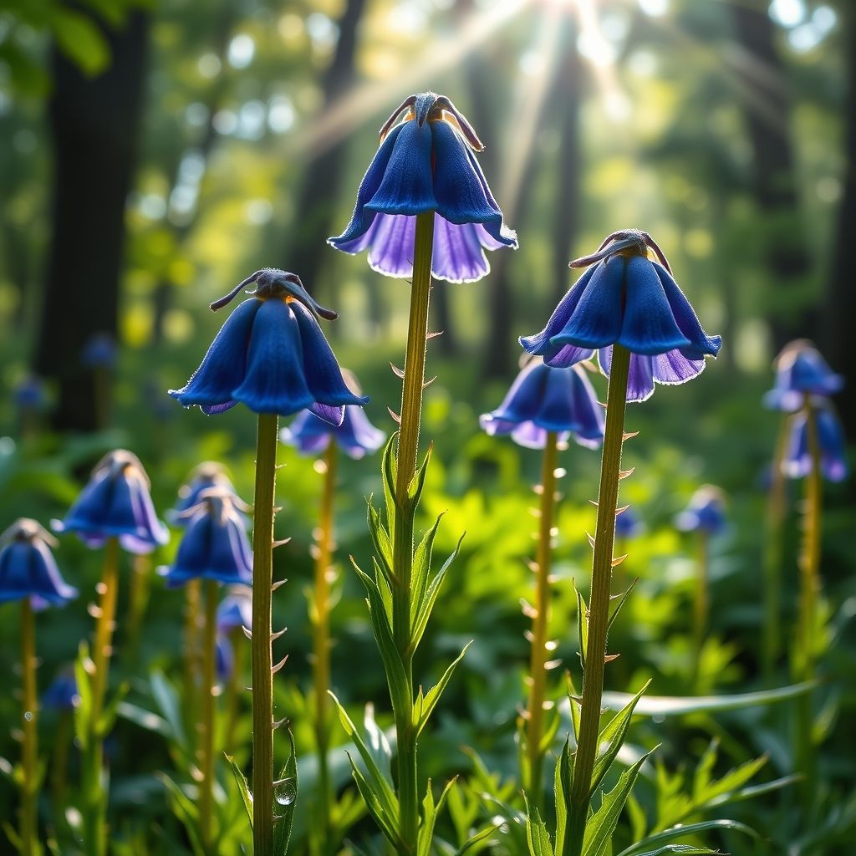
Also known as monkshood or wolfsbane, aconite has long been associated with witchcraft and poisonings. Its beautiful purple flowers disguise deadly alkaloids that affect the heart and nervous system.
7. White Snakeroot (Ageratina altissima)
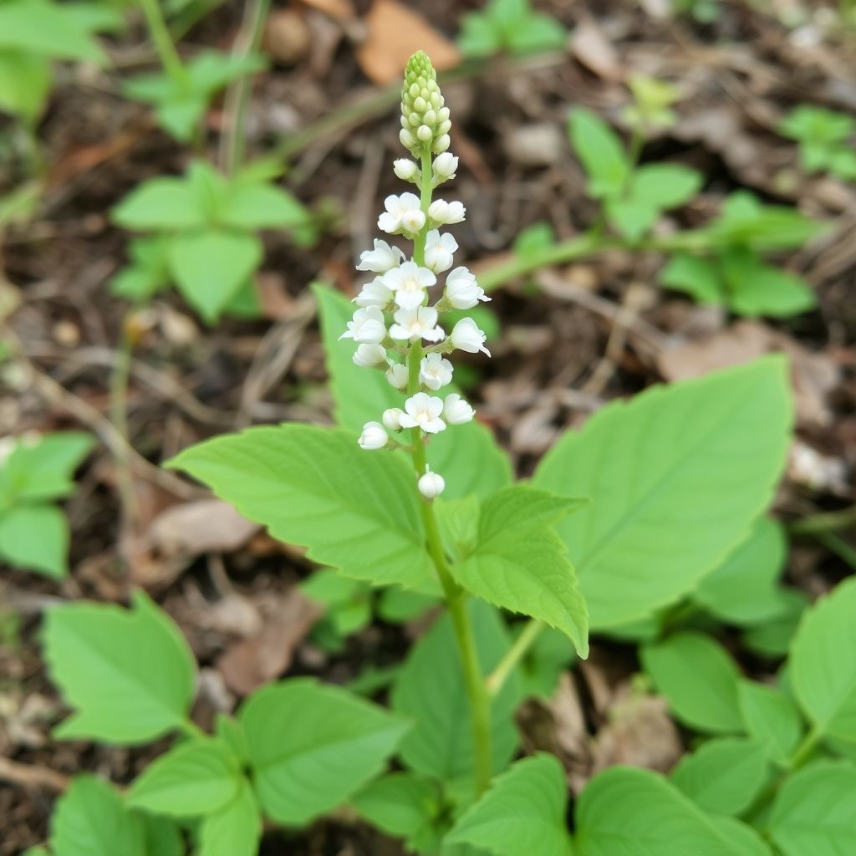
Not deadly to humans directly, white snakeroot became infamous for causing “milk sickness” in the 1800s. Livestock that eat this plant pass on the poison through their milk, leading to human deaths.
8. Jimsonweed (Datura stramonium)
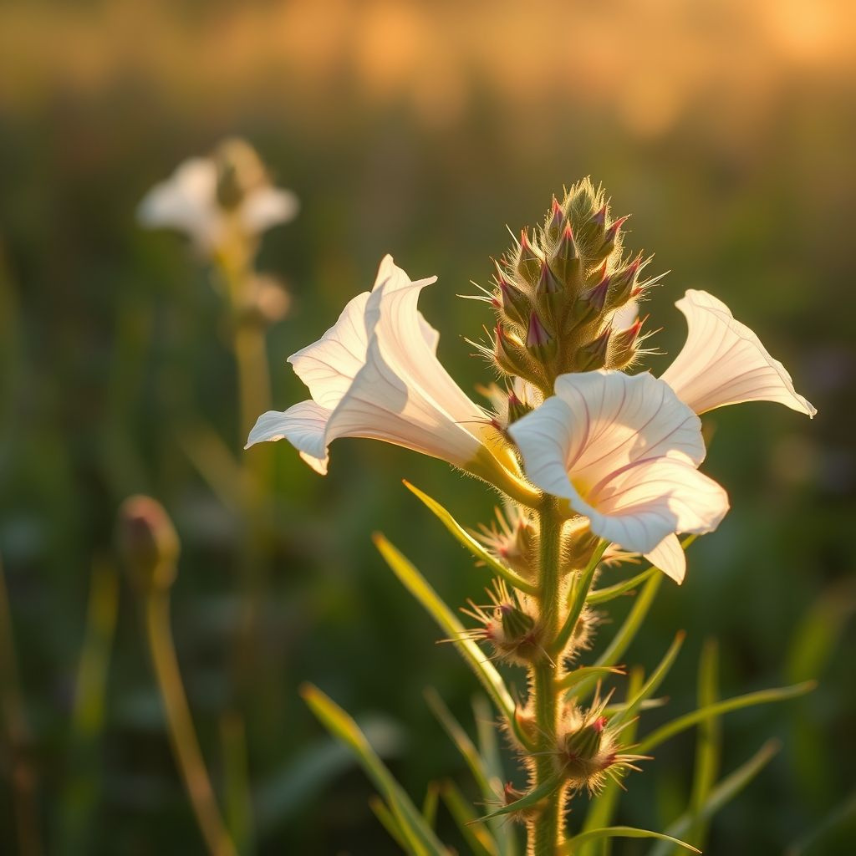
A member of the nightshade family, jimsonweed contains atropine, scopolamine, and hyoscyamine — hallucinogenic and highly toxic alkaloids.
9. Water Hemlock (Cicuta spp.)
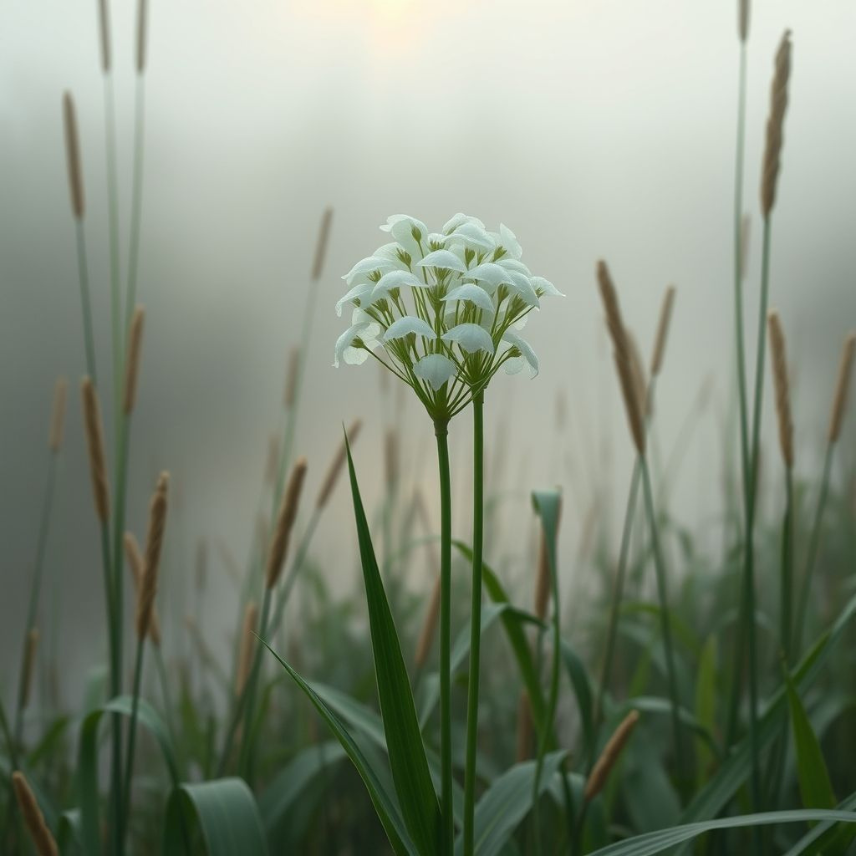
Considered one of the most violently toxic plants in North America, water hemlock looks deceptively similar to edible wild carrots. Its roots are especially poisonous.
10. English Yew (Taxus baccata)
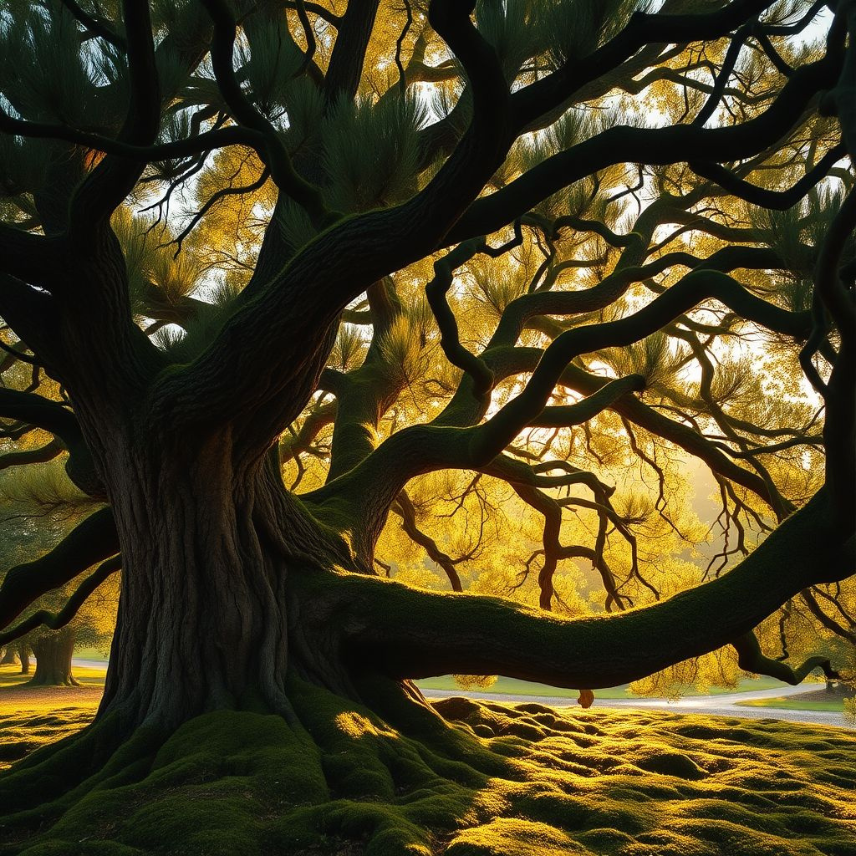
The yew tree, often found in graveyards and gardens, contains toxic alkaloids in its leaves and seeds. While its red berries are less toxic, the seeds inside can be fatal.
Stay Safe Around Toxic Plants
While many of these plants are beautiful and even medicinal in controlled environments, their toxicity cannot be underestimated. Whether you’re a gardener, hiker, or curious traveler, it’s important to:
The natural world is full of surprises — some delightful, others dangerous. These 10 most poisonous plants in the world remind us that beauty and danger can coexist. While these plants have their place in ecosystems and even medicine, they demand respect and awareness. Next time you admire a vibrant flower or glossy berry, take a moment to wonder: could it be hiding a deadly secret?